
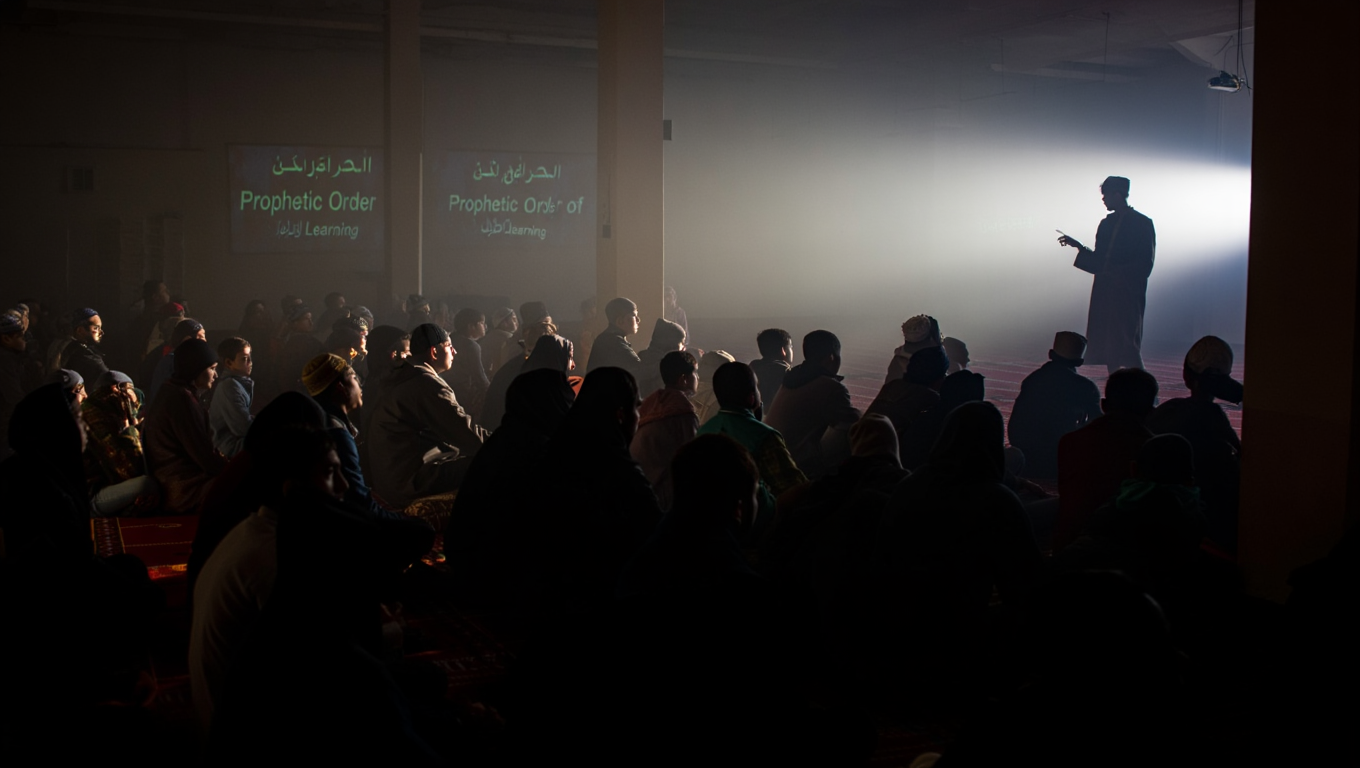
The foundation of our revival is not innovation — it is restoration. We are calling for a return to the Prophetic Order of Learning, the original educational system that the Prophet ﷺ used to build the first generation of the Ummah. This order is the secret of our strength — and its absence is the cause of our decline.
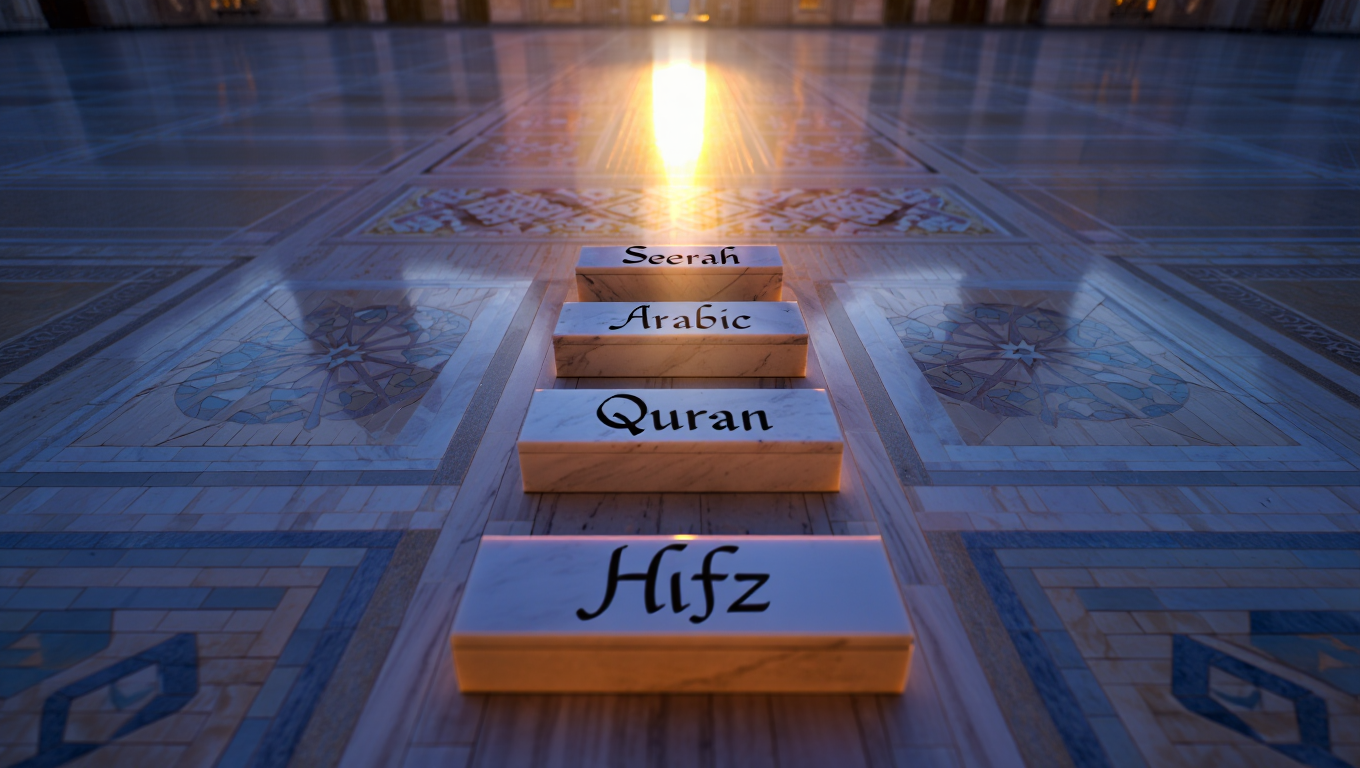
Seerah → Arabic → Qur’an with Tafseer → Hifz
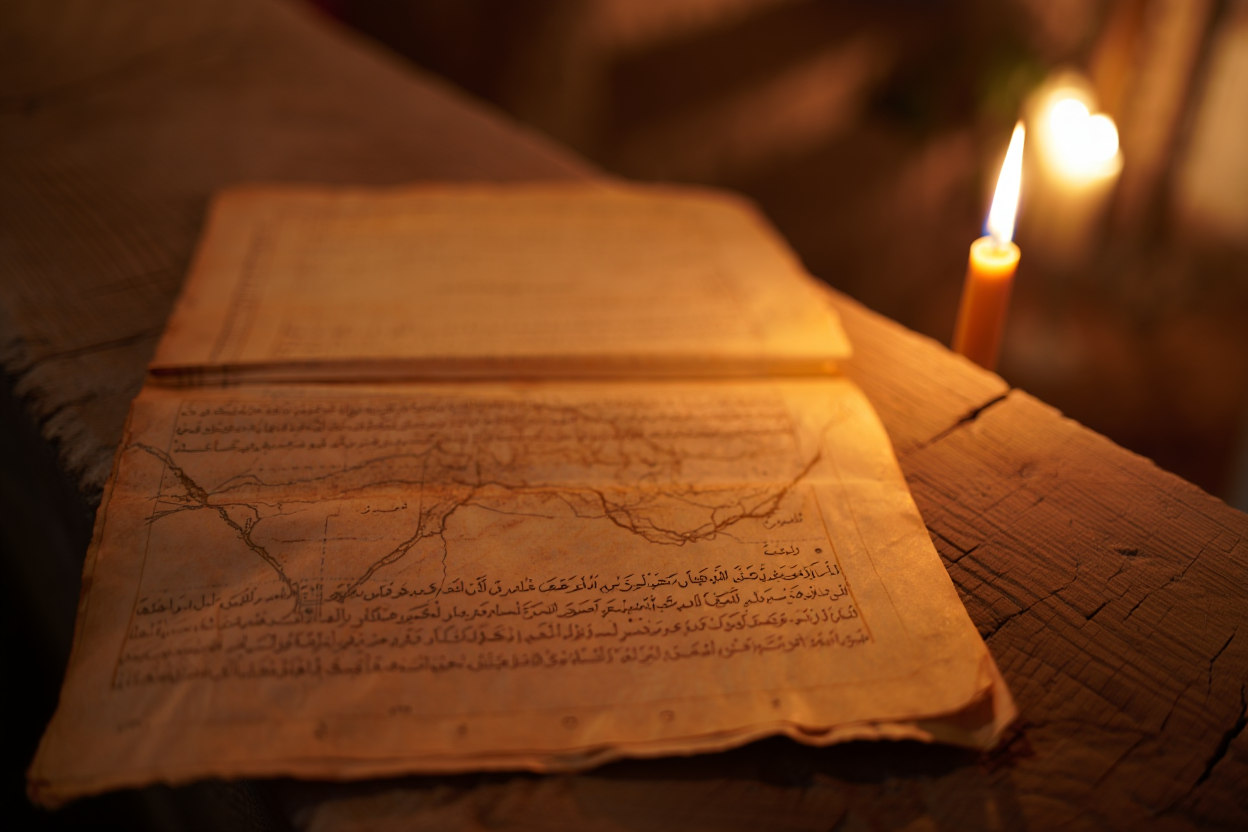
The Prophet ﷺ began by teaching Seerah — his own life, his mission, and his struggle — before any laws or rulings were revealed. Through Seerah, students learn why they believe before they learn how to act. It builds love for the Prophet ﷺ, understanding of leadership, and awareness of the Ummah’s purpose.

After Seerah comes Arabic — not grammar-heavy, but practical and functional. Students learn enough Arabic to read and understand the Qur’an, Salah, and the words of dhikr. “Indeed, We have sent it down as an Arabic Qur’an so that you may understand.” (Surah Yusuf 12:2) This step reconnects the believer directly to Allah’s words — no translation, no barrier.
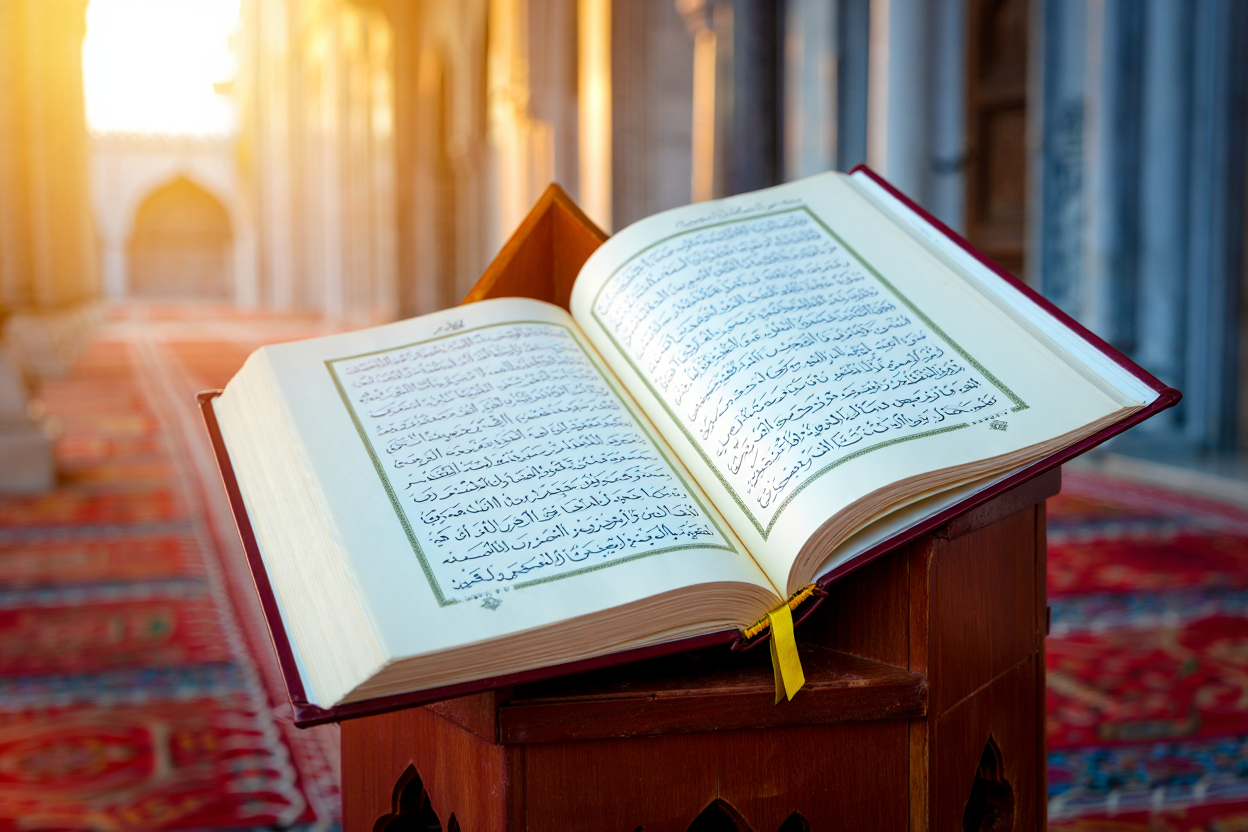
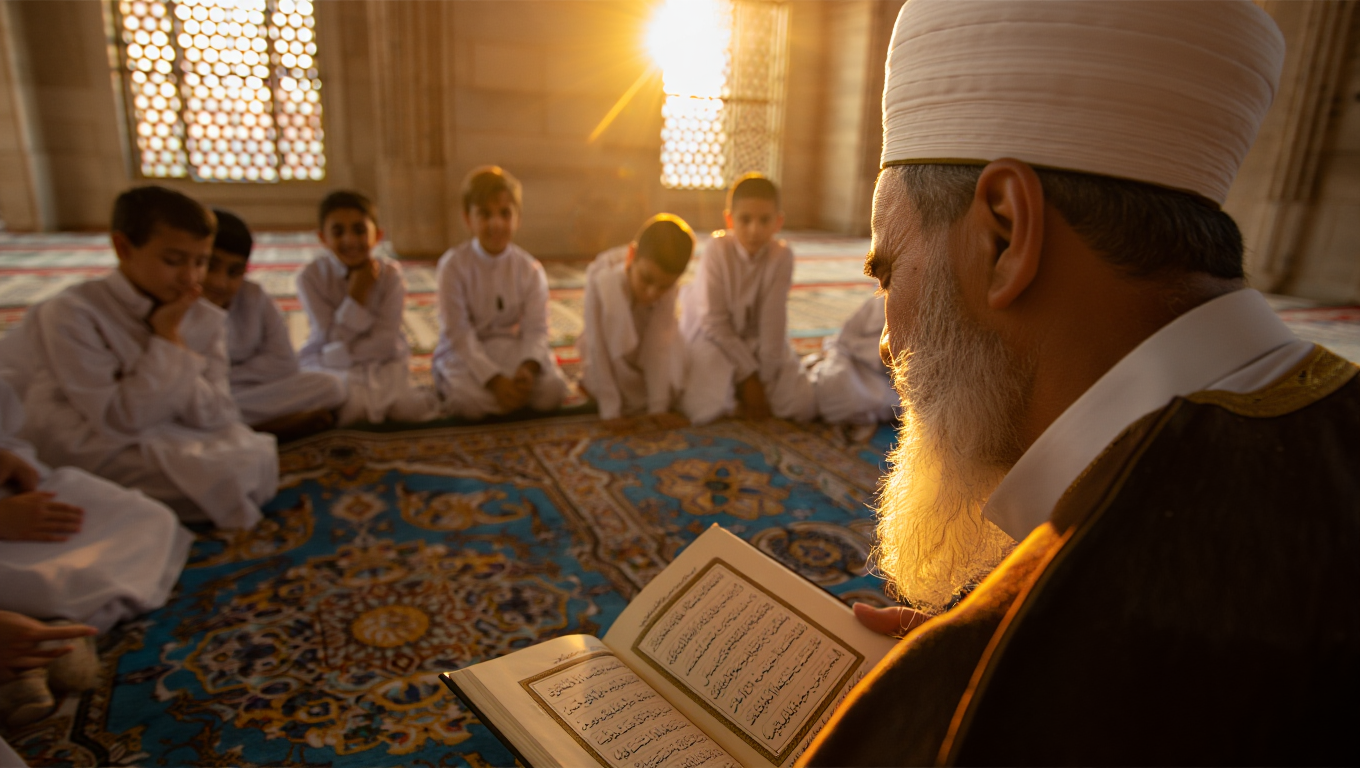
Then comes Qur’an with Tafseer. Students learn the meanings, themes, and rulings of the Qur’an before memorizing it. They understand how revelation shapes society, wealth, justice, and life. Ibn Mas‘ud said: “We used to learn ten verses and would not go beyond them until we understood their meaning and acted upon them.” (Tafseer al-Tabari) This creates believers who live by the Qur’an, not just recite it.

Finally, comes Hifz. Memorization now becomes preservation of what has already entered the heart and mind. The Qur’an is no longer merely repeated — it is lived. “The best among you are those who learn the Qur’an and teach it.” (Sahih al-Bukhari 5027)
Detailed proofs, evidences, and full course outlines:
Foundational Document 4 — The Prophetic Model of Islamic Education (Training Manual):
https://drive.google.com/drive/folders/1FKU3gy_JcQUmc2-UCL6hQw4_KHcNdkAD?usp=drive_link
This document is the official training manual for both the National Revival Team and Local Revival Team, and it also contains the full Qur’an- and Hadith-based proofs that this order — Seerah → Arabic → Qur’an → Hifz — is the true Prophetic structure of Islamic learning. Read it to be fully convinced that this is the prophetic foundation upon which all revival begins. Also available in the Resources Page.
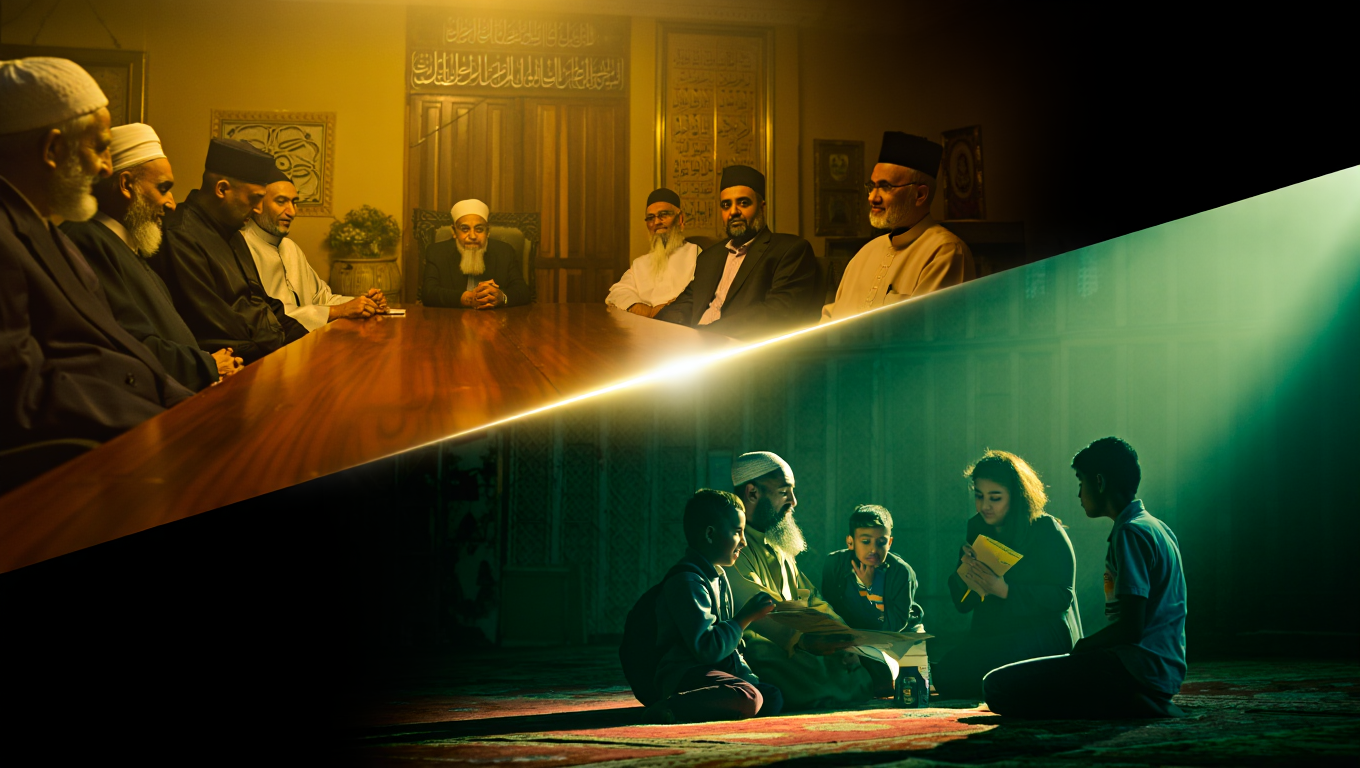
These two forces — one institutional, one grassroots — will move toward the same destination until revival meets from both sides.
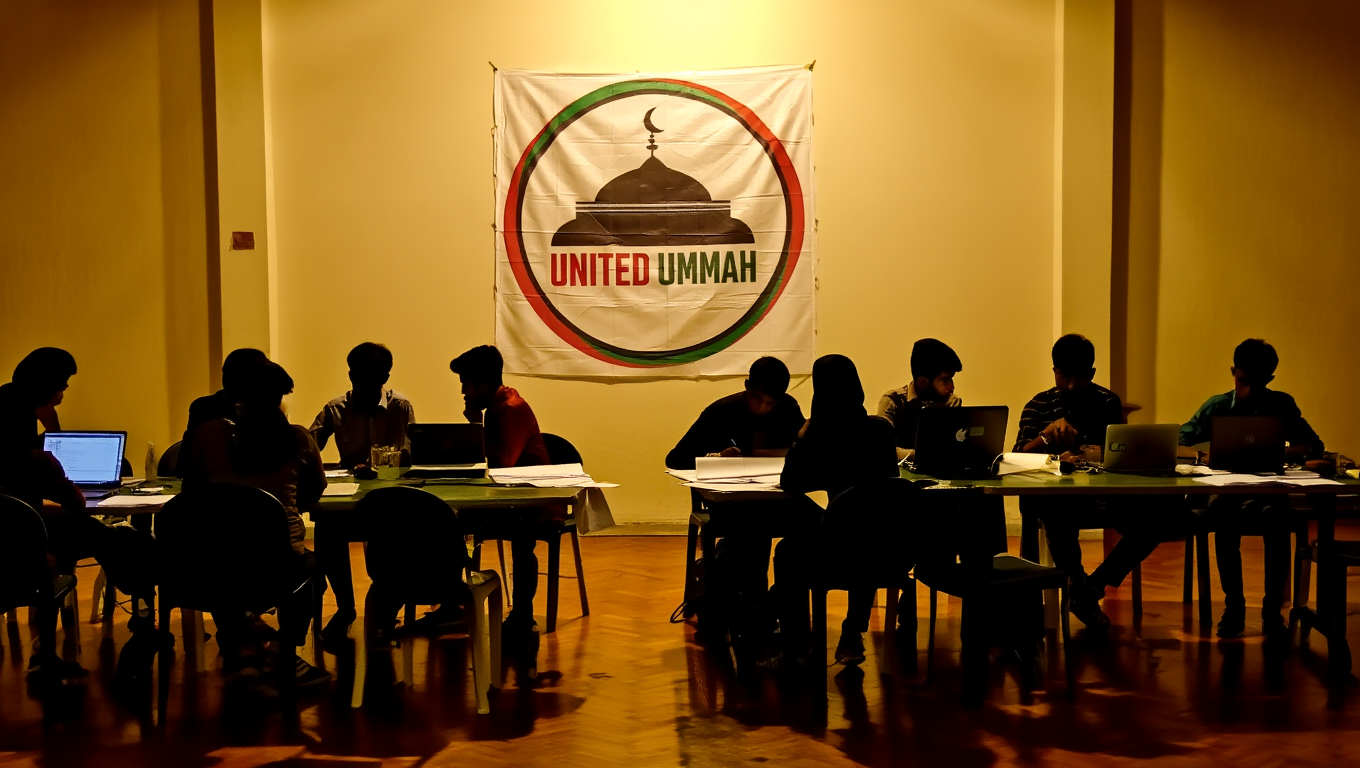
Our goal is not simply to reform individual masjids — it is to revive an entire system. To do that, United Ummah operates through two synchronized teams:
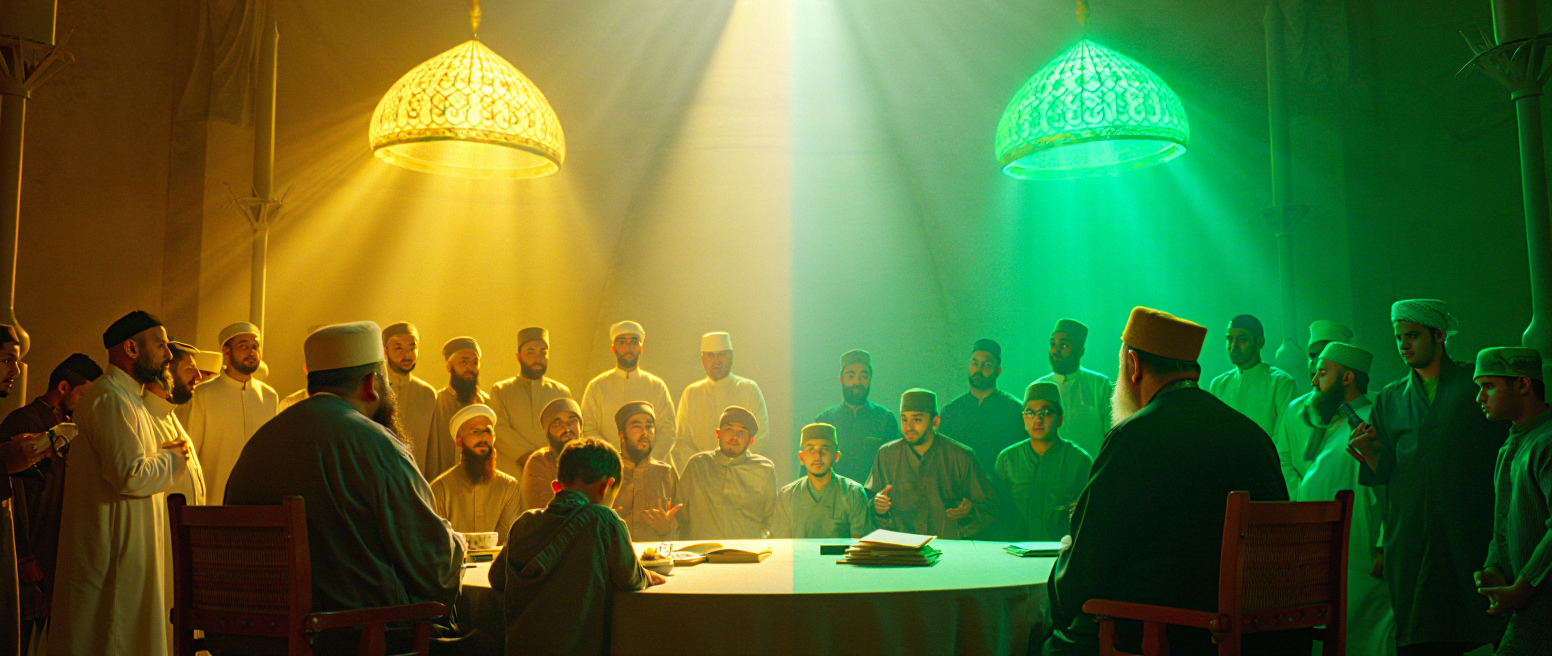
Both are lawful, Shar‘i, and perfectly aligned. The national team creates policy-level revival, while the local team ensures grassroots awakening. Together, they close every gap — until revival moves from both ends and meets in the middle.

Objective
To lawfully and Shar‘i-ly restore the Prophetic Order of Learning at the national educational level,
through fatwas, proposals, and cooperation with Pakistan’s five major Wifaq boards.
This is not a campaign of confrontation — it is a campaign of respectful guidance and intellectual reform.
The first stage of the National Level plan is to form the National Revival Team. This team will consist of representatives from Islamic organizations, youth movements, and educational institutions across Pakistan. United Ummah will send formal Collaboration Proposals to all major organizations and movements, inviting them to join this mission of lawful revival. Every organization that joins will nominate core members to become part of the National Revival Team — a united force of scholars, reformers, and volunteers bound by one mission and one Shar‘i framework.
➡ To learn how your organization or movement can officially collaborate, visit the Collaborators Page.
Once the team is formed, training begins. Every member must fully understand: the Prophetic Order of Learning; its Qur’anic and Hadith basis; the lawful method of Shar‘i persuasion; and how to engage institutions with adab and precision. This training ensures that if any scholar or Darul Ifta questions the effort, the team will respond with evidence and adab — not argument.
Training Manual:
Foundational Document 4 — The Prophetic Model of Islamic Education (Training Manual):
https://drive.google.com/drive/folders/1FKU3gy_JcQUmc2-UCL6hQw4_KHcNdkAD?usp=drive_link
This manual is mandatory reading for every National and Local Revival Team member. It not only trains you on engagement and etiquette but also provides complete Qur’an and Hadith proofs confirming that Seerah → Arabic → Qur’an → Hifz is the true Prophetic order of education. Read it to be fully convinced and to train your team confidently. (Also listed in the Resources Page.)
Our tone must always remain lawful and scholarly. We do not issue demands — we seek guidance through proper Islamic procedure: the Istifta. An Istifta is a formal Shar‘i request to scholars for religious clarification. Our Istifta asks three key questions:
Istifta Folder:
https://drive.google.com/drive/folders/1ZmRl-5hiT1ywSnzQR-dszk_67kIkROii?usp=drive_link
(Also listed in the Phase 2 — Istifta & Proposals Folder on the Resources Page.)
Once the fatwas are secured, we move toward formal institutional reform. The National Team will draft and submit official proposals to all five Wifaq boards, respectfully appealing for the integration of the Prophetic Order of Learning into their madrassah curriculum.
Proposals Folder:
https://drive.google.com/drive/folders/1pX1li-SOGXvFfAJoIpdUPVyjJt8Rj?usp=drive_link
Each proposal will include: the fatwas issued; endorsements from scholars and madrassahs; and practical recommendations for gradual adoption. If even one Wifaq board adopts it, thousands of madrassahs under its administration will follow — and once the results appear, others will inevitably join.
If Darul Iftas delay or refuse to issue fatwas, our mission continues through the Alternate Proposals Plan. We will prepare respectful, evidence-backed appeals to each Wifaq board, supported by a National Petition launched on Change.org or an equivalent lawful platform.
Alternate Proposals Folder:
https://drive.google.com/drive/folders/1j11iiJzqSNlwp9EszzlcvrNfE4ta5y_b?usp=drive_link
Even if one board accepts the request, thousands of madrassahs will reform under it, and the rest will follow once they witness success.
To make adoption easy and scalable, two integration methods have been designed:
Foundational Document 5 — Integrating the Prophetic Order into the Madrassah System:
https://drive.google.com/drive/folders/1Mp7LtMqsqTs5cH13KZZn4EraHE7Fve8A?usp=drive_link
Full National Strategy — Foundational Document 3:
https://drive.google.com/drive/folders/1lobcfDrtw7jJjlQ6Q1OA2tzmR63MRiko?usp=drive_link (Also available in the Resources Page.)
While the National Team reforms from above, the Local Team reforms from below — reviving individual masjids directly, city by city, society by society.
Objective
To awaken every local masjid through direct engagement, lawful persuasion, and community-driven reform. This strategy ensures that even if top-level authorities resist, the grassroots movement continues.

Training Manual Link:
https://drive.google.com/drive/folders/1FKU3gy_JcQUmc2-UCL6hQw4_KHcNdkAD?usp=drive_link
This ensures unity in tone, purpose, and method — so that every local team works with one voice, one standard, and one adab. (Also listed in the Resources Page.)
Each local group will identify the main Jamia Masjid as a pilot project. Volunteers must study its structure, Imam, and committee beforehand, ensuring respectful and informed engagement.
The first point of contact is always the Imam. Approach him respectfully — as students seeking guidance, not as activists demanding change. Present the Imam Appeal Document.
Imam Appeal Folder:
https://drive.google.com/drive/folders/1G4g5Go5Iv40xDjEm5k6PeQD_LdA1M6yK?usp=drive_link
If the Imam refuses, approach the Masjid Committee. Submit the Masjid Committee Appeal, presented respectfully, explaining how the revival strengthens community and learning.
Masjid Committee Appeal Folder:
https://drive.google.com/drive/folders/1bpYlZdZR04YztGJLndpt46yf2UOkH5Ns?usp=drive_link
If both Imam and committee decline, meet with the Society Office. Present the Society Office Appeal, gathering support from local residents to back your proposal.
Society Office Appeal Folder:
https://drive.google.com/drive/folders/1eBT0i4mjy1CfHEFkMr7YgW23-O4C93Jh?usp=drive_link
When all official routes fail, begin a lawful two-day petition campaign:
After collecting sufficient signatures, deliver them as a united community to the Imam, Committee, and Society Office. This shows that the people themselves demand revival — lawfully and peacefully.
If, even after all this, the masjid still refuses, start your own Seerah Circle inside or near the masjid. Use the recorded Seerah and Arabic lectures provided by United Ummah. Once the masjid sees the positive results — discipline, attendance, and understanding — it will naturally adopt the Prophetic Order.
All local teams will be supported by the fatwas and proposals secured by the National Team. Even if the top-level authorities delay, the local teams will continue until enough masjids adopt the order and it becomes a national chain reaction.
Full Local Revival Framework:
https://drive.google.com/drive/folders/1XoRfR0ZTvTz1R4YRSAPGc85XhyaMBtrp?usp=drive_link
Phase 2 — Istifta & Proposals (Local Subfolder):
https://drive.google.com/drive/folders/1gLNIz7OvIchtv0ODlLZlJCLJuxwiZL7Y?usp=drive_link
(Available on the Resources Page.)